Where a straight boom makes sense
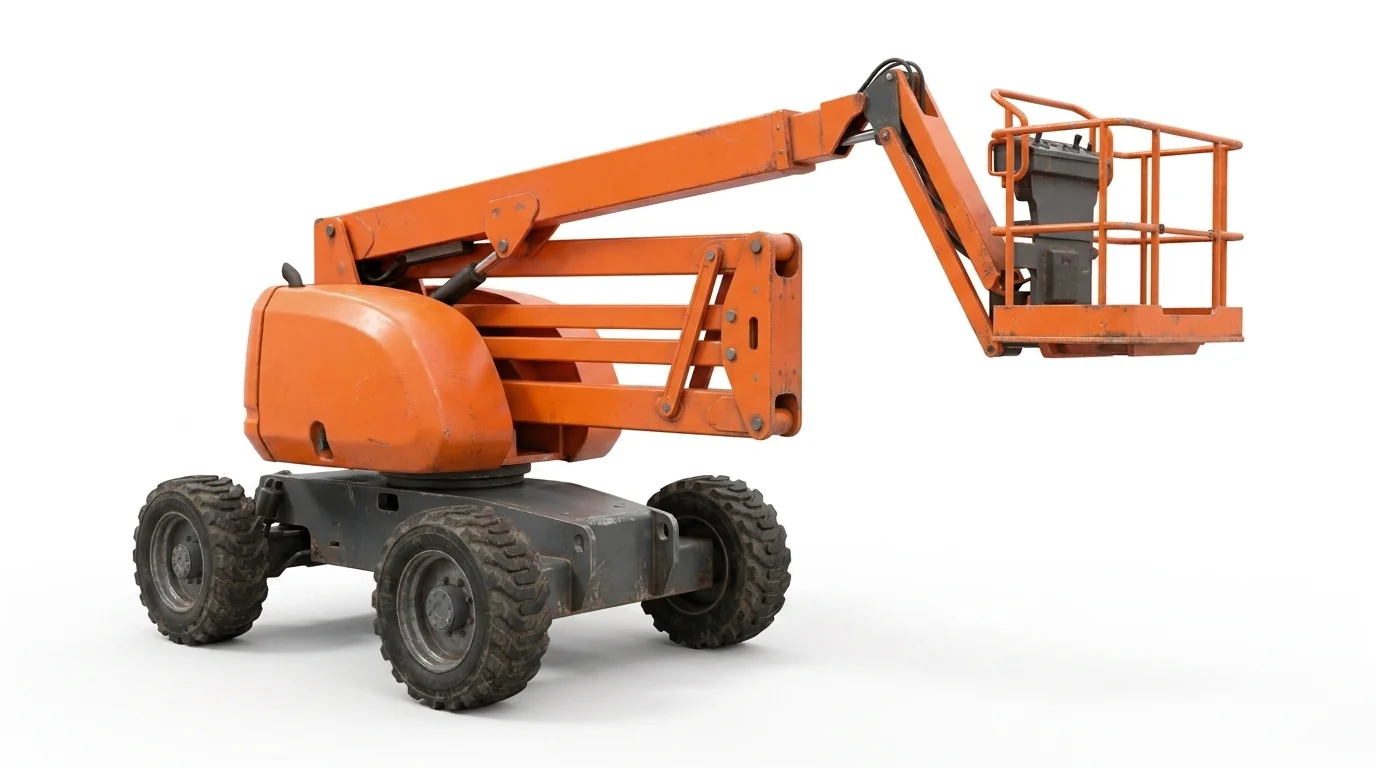
Telescopic booms excel at exterior steel work, façade access with clear frontage, and tasks where horizontal reach outweighs up-and-over needs. If the platform can be driven into line with the target and obstacles are limited, a straight boom typically reaches farther in less time than an articulating unit.
Use-case signals: - Long shots to upper elevations on open façades. - Setting fixtures or signage with clear ground below. - Industrial yards with wide approach lanes and defined stand-off.
Lansing site and season realities
Outdoor projects around industrial and logistics facilities can span shoulder seasons. During spring thaw, clay-heavy soils may not support concentrated loads, pushing planners toward rough-terrain models and prepared pads. In winter, many moves consolidate onto plowed, salted surfaces; confirm traction needs and slope allowances ahead of time.
Downtown and institutional areas may limit staging space. If the stand-off line is forced farther from the structure, a longer boom class or a different category may be required.
Specs that narrow the field
- Required horizontal reach and working height: plot both; the longer figure usually drives selection.
- Chassis width and tail swing: verify lane widths and nearby obstructions during slewing.
- Ground conditions: note bearing capacity, grade, and whether the approach remains consistent as weather changes.
- Power source: diesel rough-terrain for exterior sites; hybrid or electric variants where emissions limits apply.
Related categories
- Need up-and-over capability around obstacles? See /articulating-boom-lift-rental/
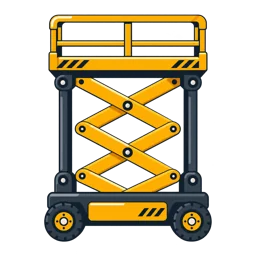
- For vertical slab work inside facilities, consider /electric-scissor-lift-rental/
- Browse broader options at /boom-lift-rental/
Actual conditions, the chosen unit’s instructions, and site procedures govern elevated work.