Start with route and load geometry
- Load: weight, length, and center of gravity determine counterbalance needs.
- Height: racking or stack height sets mast stage and visibility considerations.
- Route: measure doorways, aisle widths, turning pockets, and any ramps or thresholds.
Lansing conditions that influence the choice
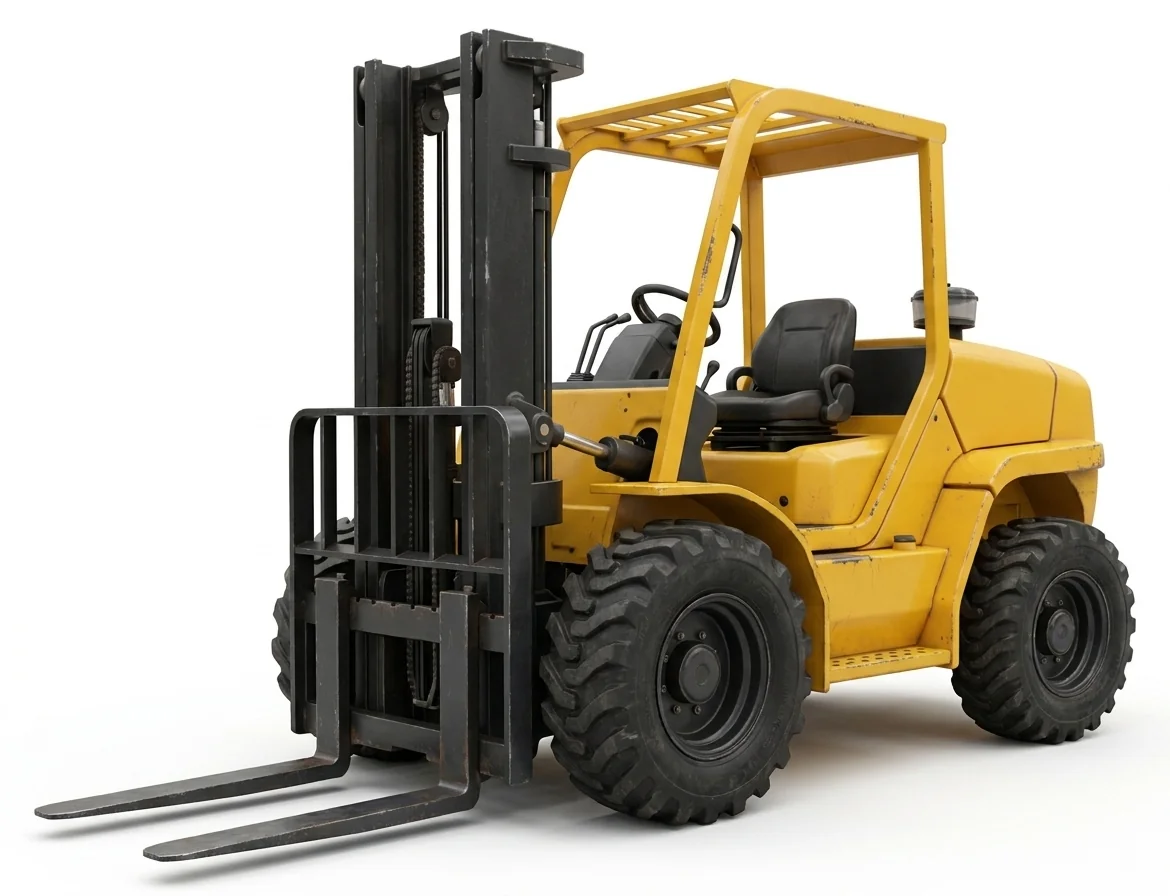
Indoor work dominates during colder months, favoring electric cushion-tire forklifts on smooth floors. Exterior yards and mixed-surface approaches call for pneumatic-tire or rough-terrain models, especially during spring when clay-rich soils soften and traction varies.
Industrial sites may set emissions or noise expectations, guiding power type. Public facilities often add tighter access controls and limited staging, affecting mast height and overall machine length.
Specs that narrow the class
- Power type: electric for interior air quality and tight maneuvering; internal combustion for longer outdoor runs and fueling logistics.
- Tire and chassis: cushion tires for polished slabs; pneumatics for docks, gravel, and transitional surfaces.
- Mast and carriage: free lift and collapsed height for low doors; side-shift and fork spread matched to pallet style.
- Stability envelope: verify rated capacity at the required lift height and load center, not just base capacity.
Related categories
- Need elevated material placement beyond forklift range? See /telehandler-rental/
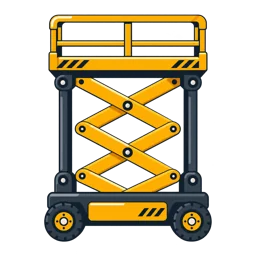
- For personnel access on vertical tasks, consider /electric-scissor-lift-rental/
Adhere to the selected unit’s instructions and site procedures for material handling and any elevated interface.