Start with placement and reach
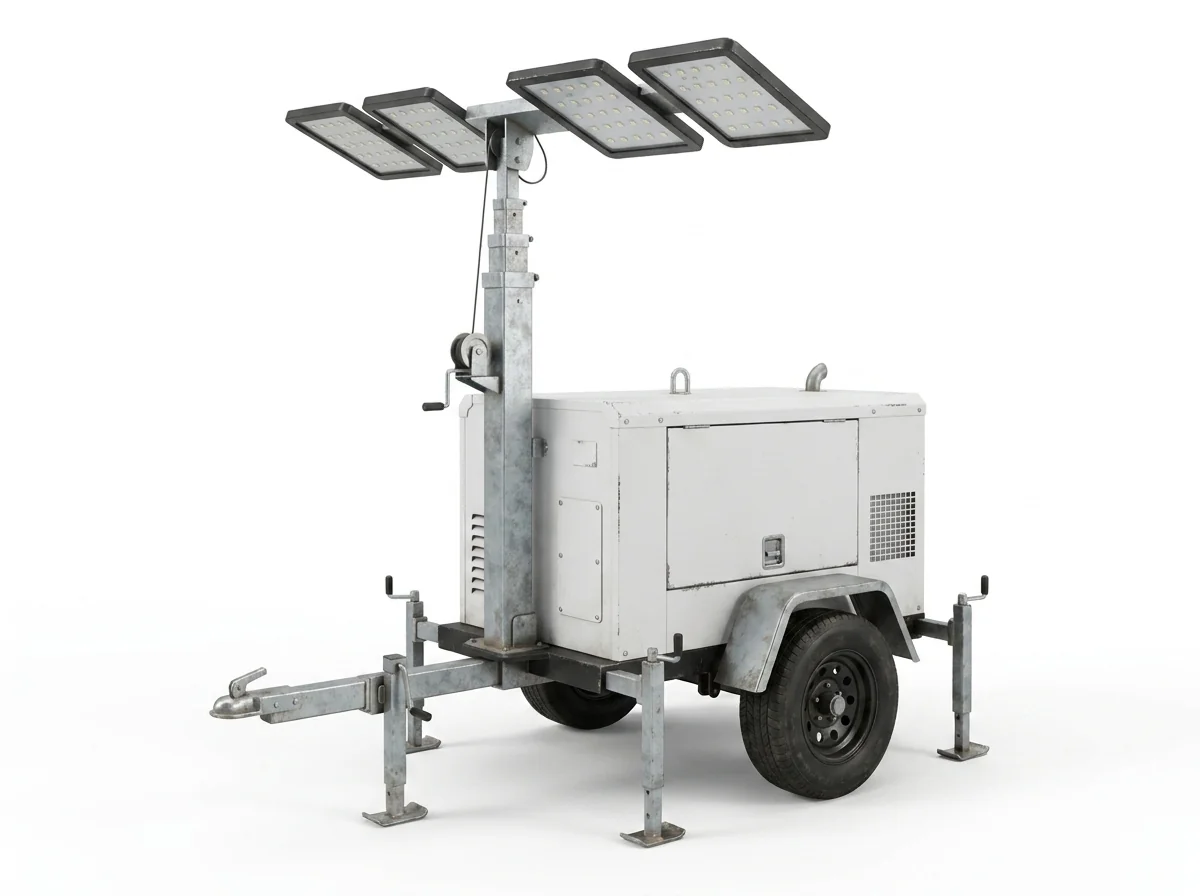
The placement of a generator or light tower controls cable runs, spill risk, and illumination angles. In tight urban lots, keep in mind turning space for delivery and refueling. On larger industrial grounds, confirm whether the unit can sit below the task or must be positioned on a pad to clear snow berms and drain paths.
- Cable routes: measure the distance from power source to panels or tools; plan for elevation changes across dock aprons and ramps.
- Light coverage: estimate the work zone’s width and any obstructions that cast shadows, like stacked containers or steel framing.
Surface and seasonal conditions
The regional climate brings snow, freeze-thaw, and spring softening of clay-heavy soils. Those conditions affect both footing and service intervals.
- Ground bearing: soft or rutted surfaces can tilt masts and reduce lighting uniformity. A firm, level pad or timber cribbing may be required per the selected unit’s instructions and site procedures.
- Cold starts: extended cold snaps change runtime estimates; larger fuel reserves and block-heater equipped units may be appropriate.
Power quality and run profile
Match generator size to the starting load of compressors, pumps, or welders, not just running amps. Sensitive tools in local distribution buildings or fabrication bays may call for units designed for cleaner power. For overnight highway work or plant shutdowns, plan for:
- Duty cycle: continuous loads versus intermittent tool use.
- Refueling windows: access for a fuel truck without blocking lift routes or exit lanes.
- Noise envelope: nearby offices or neighborhoods may require quieter models and strategic placement.
Integration with aerial access work
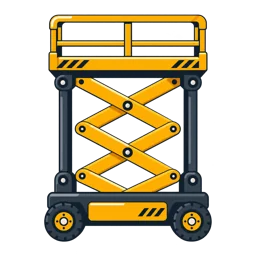
Lighting and power often support elevated tasks. If lifts will operate alongside, confirm aisles and swing radii. For indoor winter work, pair quiet generators located outside with electric access platforms like /electric-scissor-lift-rental/ or /vertical-mast-lift-rental/. For exterior retooling or envelope work on uneven ground, coordinate tower placement with /rough-terrain-scissor-lift-rental/ or /boom-lift-rental/ paths so beam spread isn’t blocked.
Access route
Identify the delivery path: curb strength, gate width, and any thaw-restricted drives common in late winter. Note trailer turnaround space, especially near temporary fencing lines or stacked materials.
When to consider alternatives
- Short, targeted illumination near high work: consider mounting tasks reachable by /articulating-boom-lift-rental/ with platform power instead of broad floodlighting.
- Heavy material movement with onboard power needs: a /telehandler-rental/ with jobsite generators nearby can reduce cable runs across muddy zones.