Where a telehandler fits
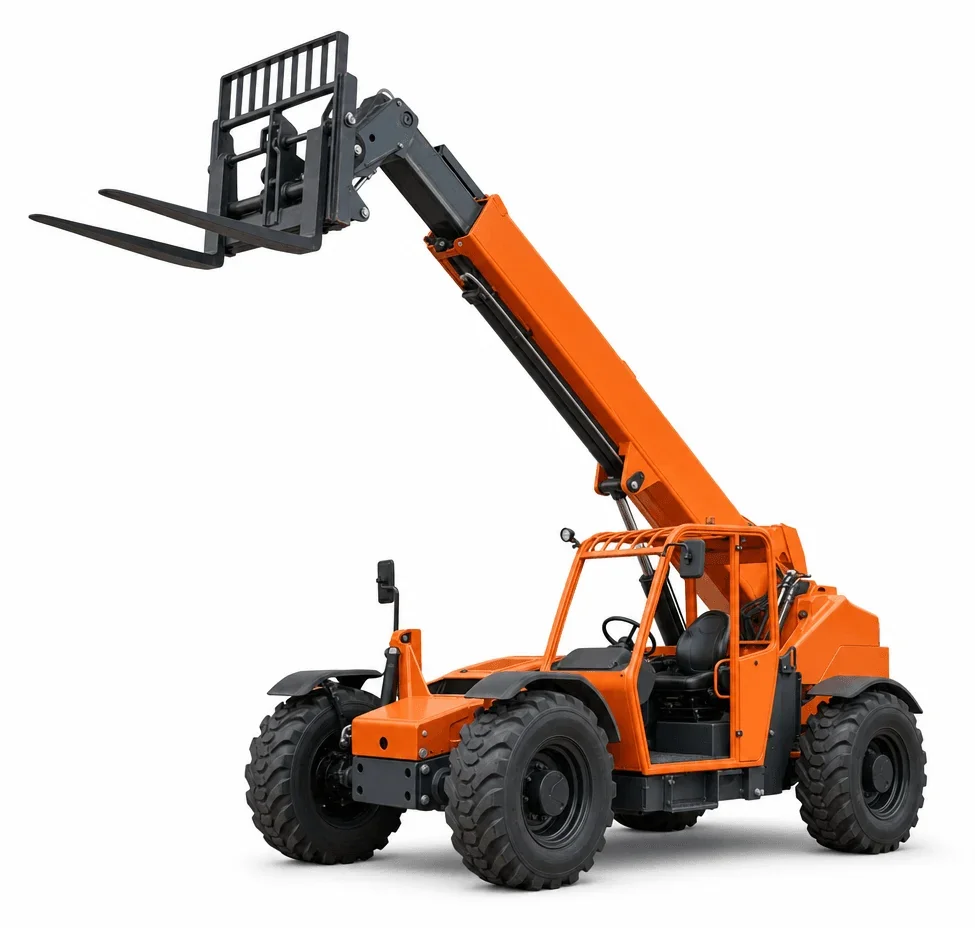
Telehandlers handle masonry packs, mechanical units, and framing bundles where cranes are impractical or overkill. They serve industrial retooling moves, urban infill staging, and logistics yard tasks that require both lift height and forward reach from a compact footprint.
Signals you’re in telehandler territory: - Need to place loads over a foundation wall or setback. - Repeated picks at moderate heights with variable approach angles. - Mixed routes: slab to gravel to soil in a single shift.
Lansing conditions that change the plan
Clay-heavy loams around the area can become slick and soft during thaw, affecting traction and bearing capacity. Rough-terrain telehandlers are commonly planned for exterior work in those months. Winter moves may consolidate indoors, where smaller units navigate doors and tighter aisles in manufacturing and distribution spaces.
Institutional and industrial sites can impose emissions and noise limits. That can influence engine selection or where staging happens, especially for interior approaches to loading docks and production floors.
Specs that narrow the class
- Rated lift at maximum reach and height: size to the furthest real placement, not just the maximum capacity at retracted boom.
- Overall width and turning radius: confirm gate openings, slab aisles, and laydown lanes.
- Fork carriage and attachment compatibility: dictated by load dimensions and pick style; verify requirements early.
- Tire type and ground clearance: match to expected surfaces along the full route, including transitions and slopes.
Related categories
- For purely vertical indoor access, see /electric-scissor-lift-rental/
- For personnel access at long reach, consider /telescopic-boom-lift-rental/
- Explore material staging support at /storage-containers-rental/
Follow the selected unit’s instructions and site procedures for any elevated handling or personnel lift interface.